
M3i Dental and HUGE Dental Hold Hands-On Course
A well-fitted crown may look like a simple final result. However, before it reaches a patient's mouth, the restoration must go through a series of processes that require careful planning and precision.
It all begins with a design.
The restoration must be designed, the model printed, and every detail examined and adjusted before the crown is ready for insertion. One inaccurate step can affect the entire process that follows.
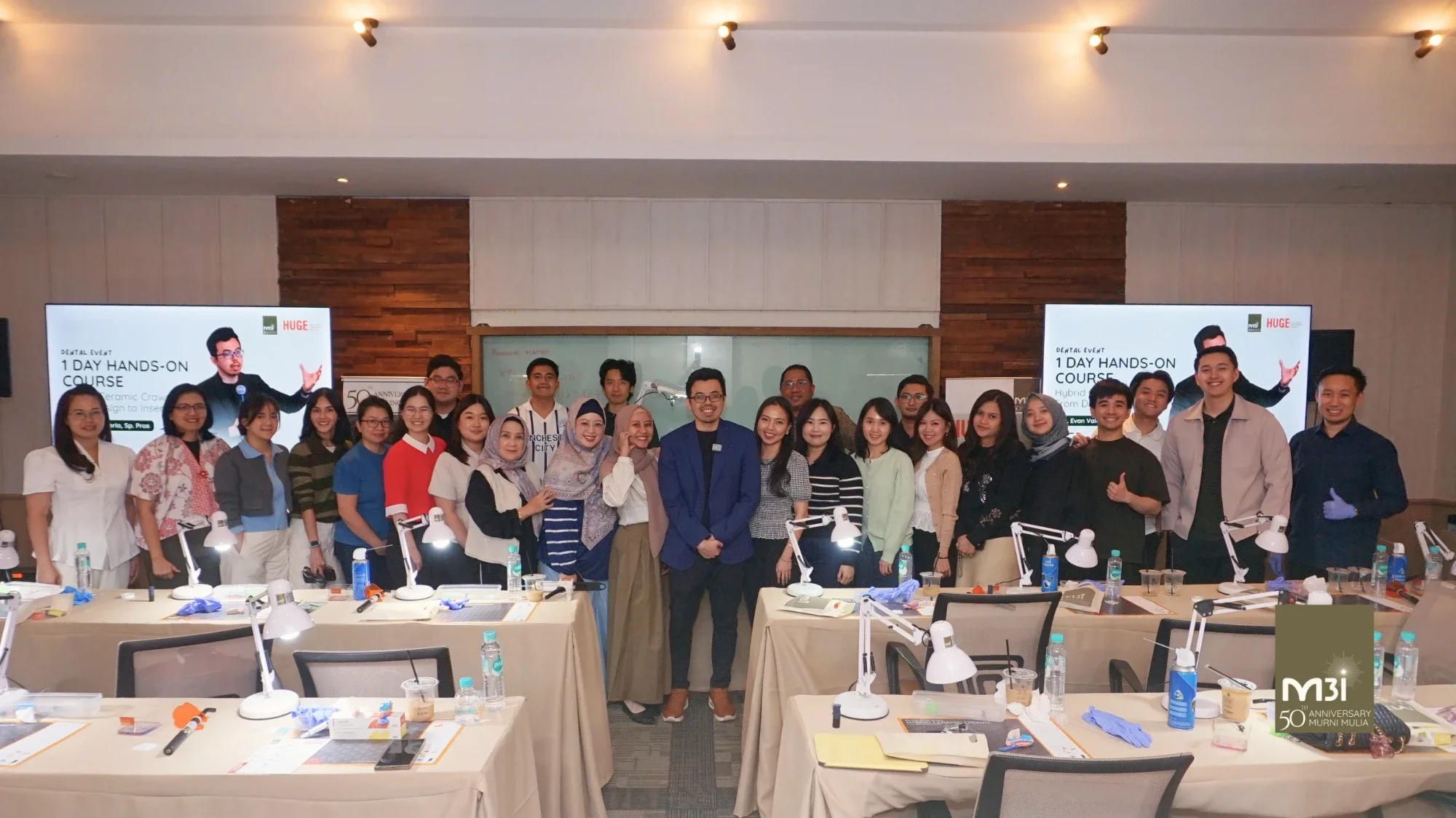
This journey became the focus of the 1 Day Hands-On Course "Hybrid Ceramic Crown: From Design to Insertion", held by M3i Dental in collaboration with HUGE Dental Indonesia on Sunday, July 26, 2026.
Taking place at the M3i Dentistry Development Centre, the event featured drg. Evan Valerio, Sp. Pros as the speaker and hands-on session mentor.
Participants did not simply come to listen to a presentation. They were invited to follow the entire process of creating a hybrid ceramic crown, from the initial digital design to a restoration ready for insertion.
It All Begins with a Design
The event opened with a presentation on the stages involved in producing a hybrid ceramic crown. During this session, participants learned that the quality of a restoration is not determined only after the crown has been completed.
The final result is shaped by various decisions made from the very beginning.
The shape, contour, adaptation, and relationship between the restoration and the surrounding tissues must all be considered during the design stage. After all, a design that looks good on a screen may not immediately produce a clinically suitable restoration.
Through the presentation by drg. Evan Valerio, Sp. Pros, participants learned how each stage of the process is interconnected. The material provided an important foundation before they moved from the discussion room to the hands-on workstations.
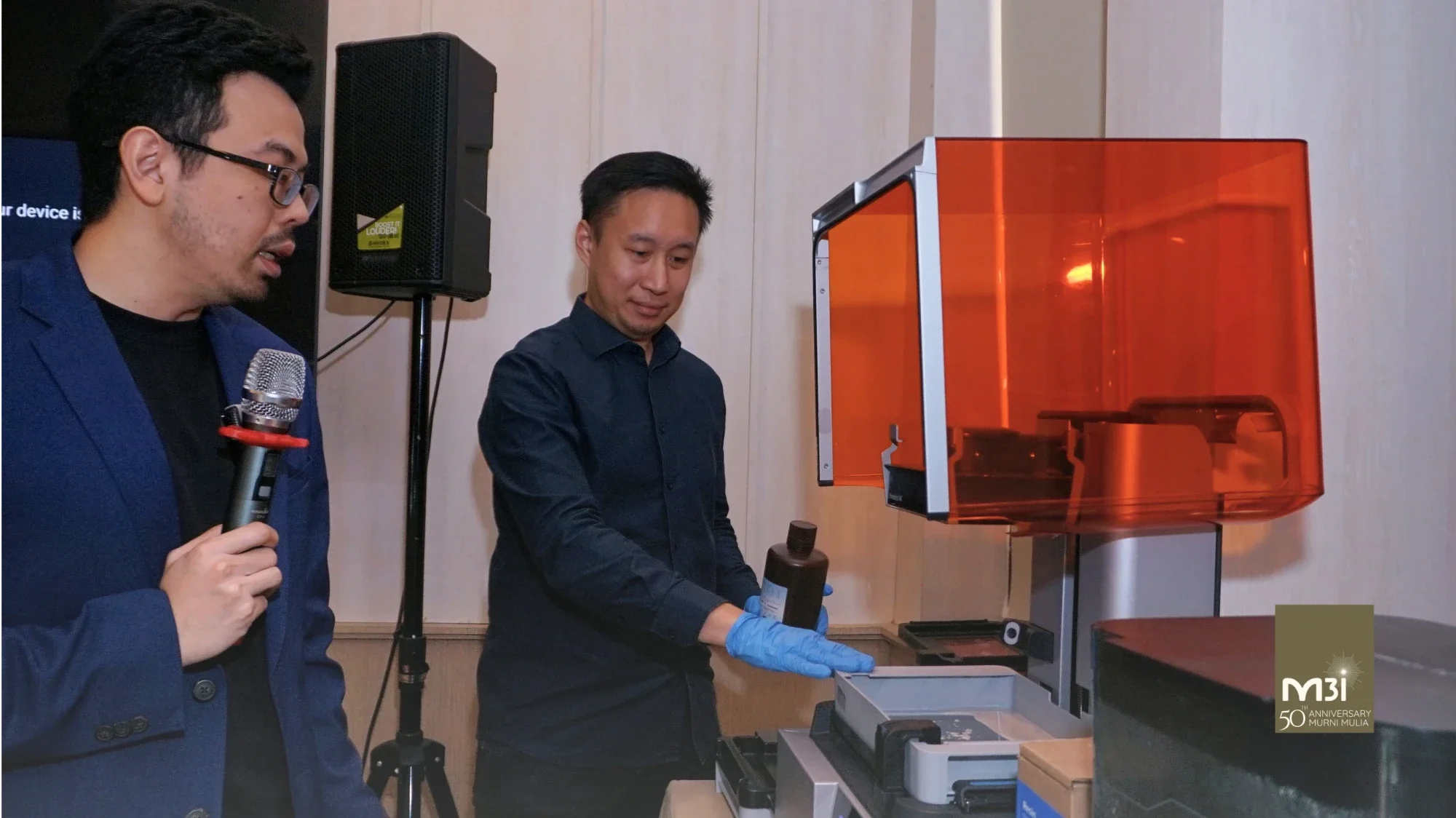
The digital designs were then processed using the Formlabs Form 4B. This dental 3D print technology was used to produce the models required for the restorative workflow.
Slowly, the shapes that had previously existed only on a screen began to appear as physical objects. Participants were able to observe firsthand how digital technology connects with the restorative process carried out at the workbench.
Putting the Knowledge into Practice
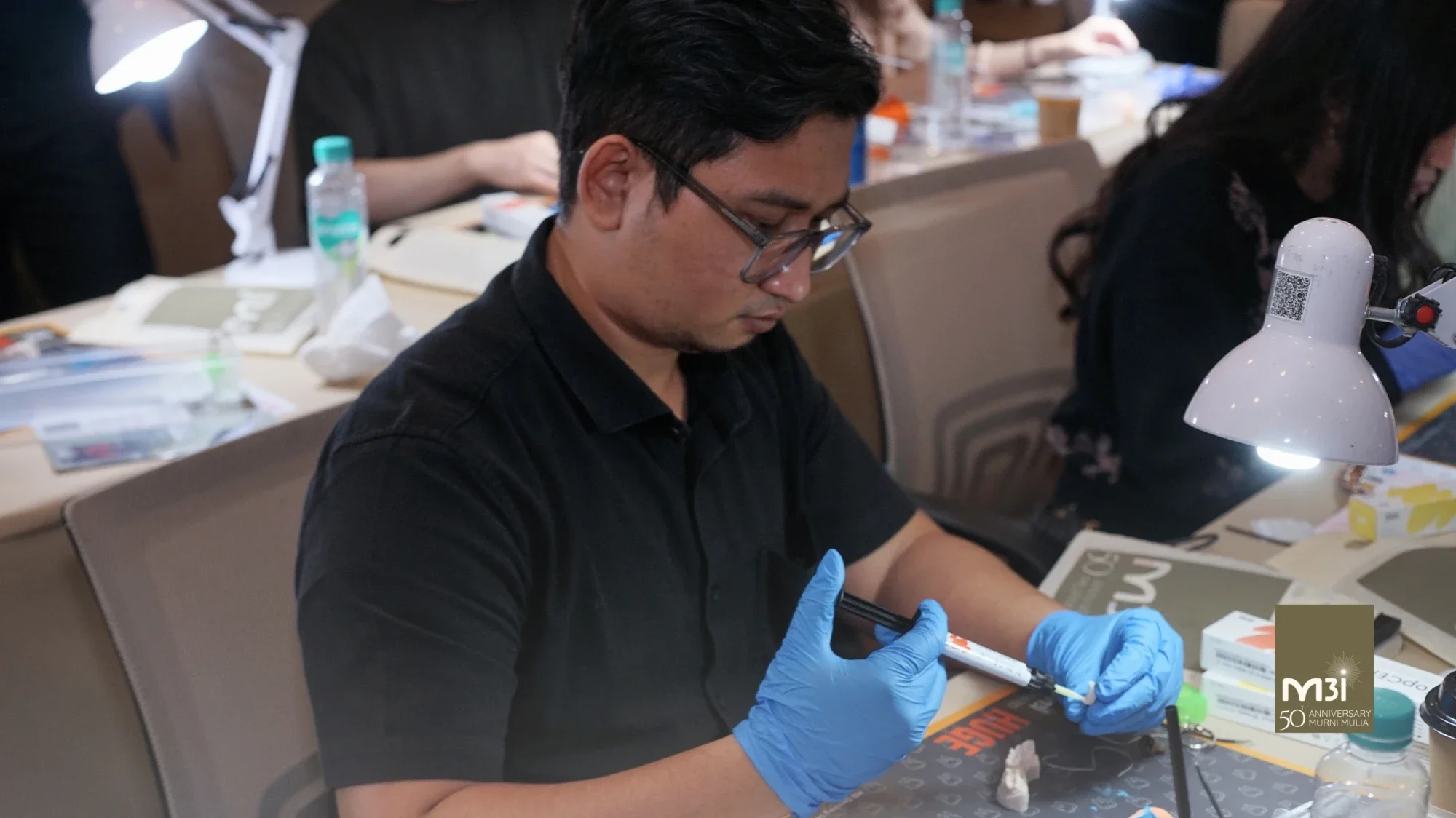
Once the participants had understood the basic workflow, the atmosphere became noticeably more active.
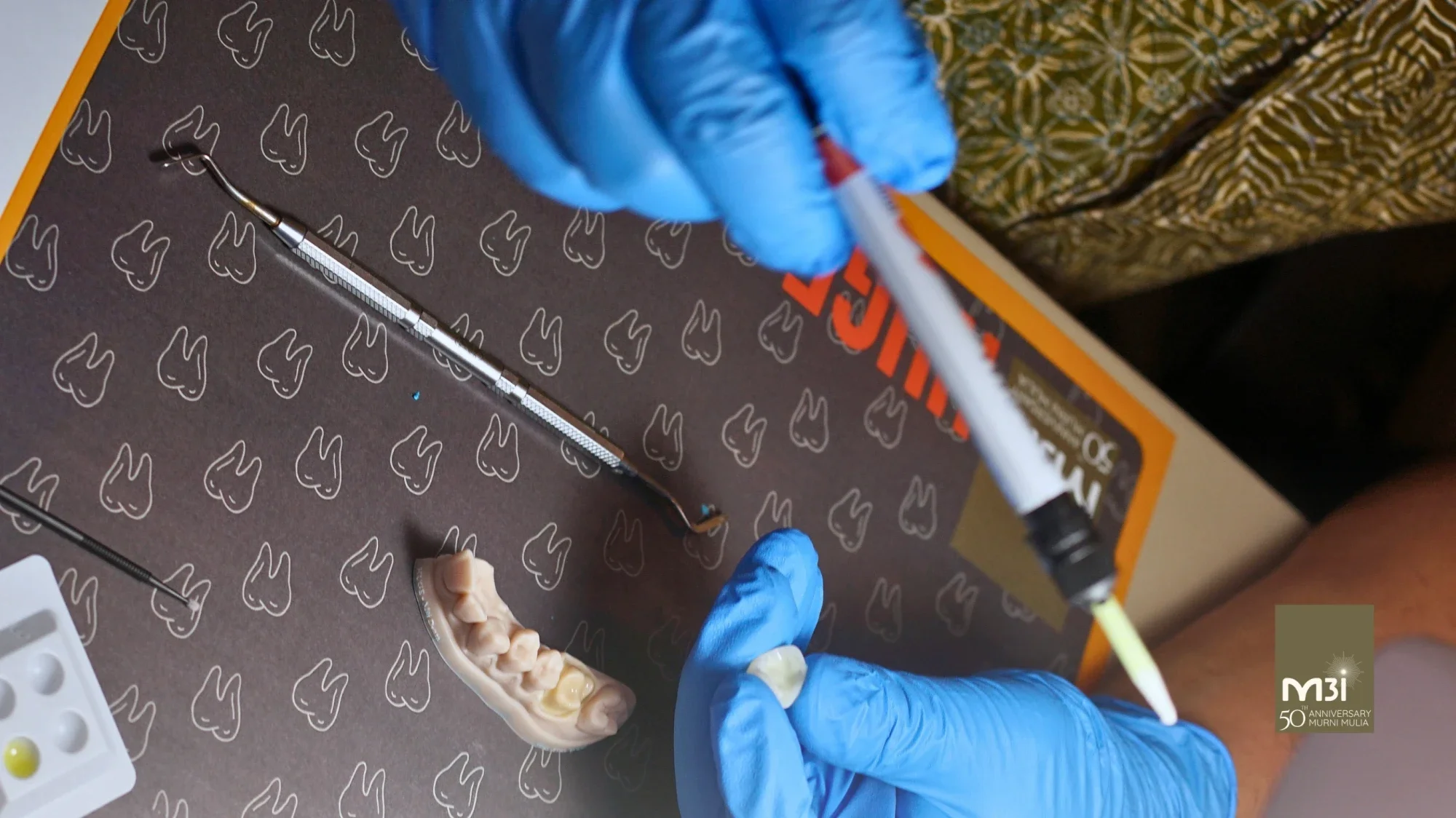
The equipment was prepared, and participants took their places at their respective workstations. The material presented earlier was then applied directly during the hands-on sessions.
This was where the importance of even the smallest details became clear.
Participants were not simply following a sequence of steps to complete a crown. They were also encouraged to understand the reasoning behind each step, including the details that needed to be considered before moving on to the next stage.
Whenever difficulties arose, participants could discuss them directly and receive guidance from the mentor. This interaction made the learning experience feel more engaging, as questions that emerged during the practical session could be addressed immediately.
The practical activities were divided into two sessions, allowing participants to follow the workflow more thoroughly. They continued working from the completed designs, made the necessary adjustments, and learned the stages required before a restoration could be prepared for insertion.
The process demonstrated that creating a hybrid ceramic crown is not simply about following a set of procedures. Every stage requires careful attention because the outcome of one step will influence what happens next.
After the full series of activities had concluded, the event ended with a group photo session. However, documentation was certainly not the only thing the participants took home.
They also gained new experience in using digital technology, the opportunity to put their knowledge into practice, and a more complete understanding of a restoration's journey from design to insertion.
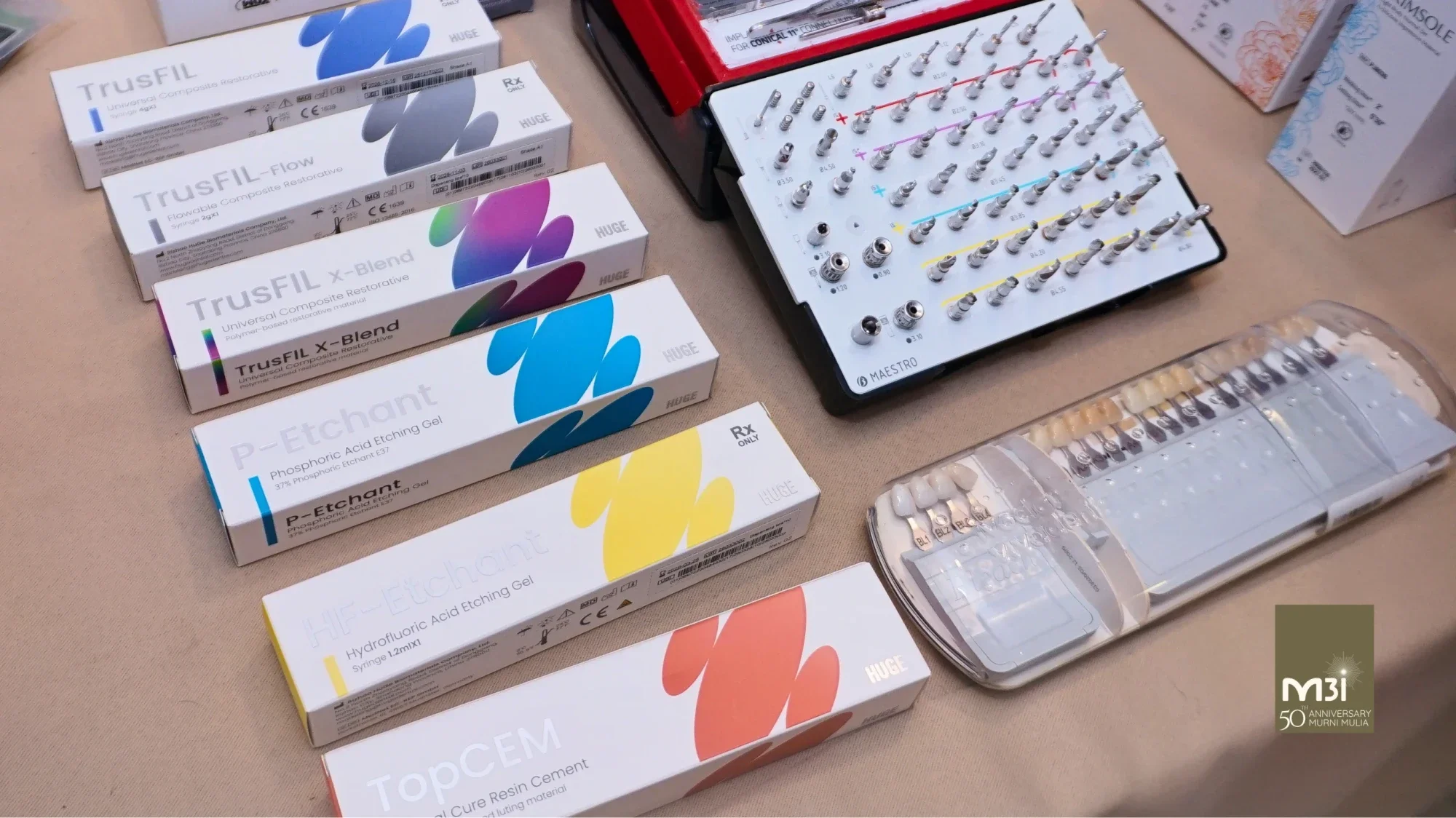
The needs of dental practitioners go beyond product availability. The characteristics of a material, how it should be used, and how it is applied in a procedure must also be properly understood before the product is introduced into clinical practice.
For this reason, dental suppliers also play an important role in creating educational opportunities for practitioners.
Through its collaboration with HUGE Dental Indonesia, M3i Dental brought products, technology, and practical experience together in one educational event. Participants were not only introduced to the materials used but were also guided through their application within the restorative workflow.
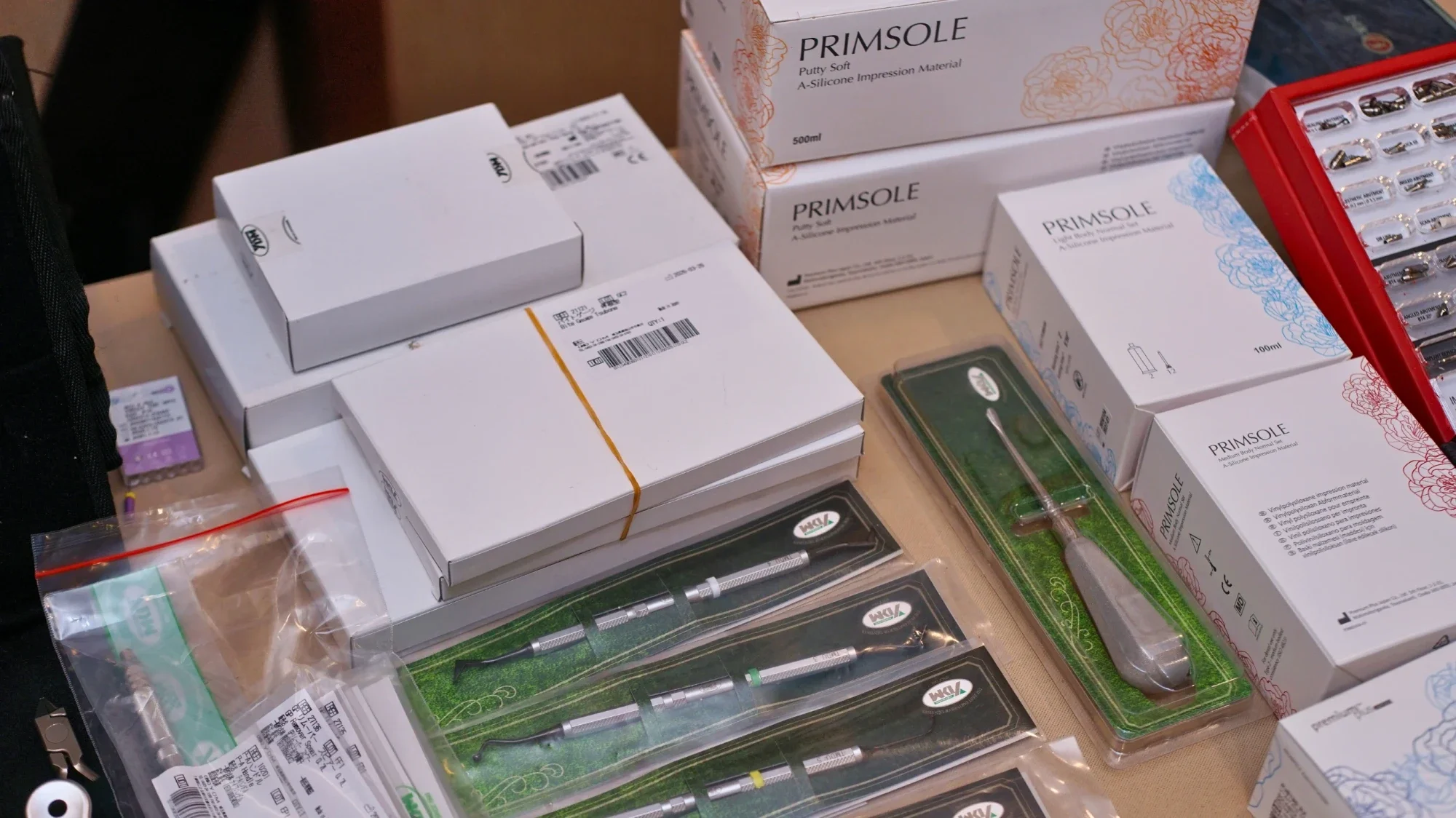
In addition to supporting dental 3D print requirements through the Formlabs Form 4B, M3i Dental provides a wide range of products for dental clinics and laboratories. These include YDM dental instrument products and Premium Plus JP Primsole Putty & Light Body, which can support various dental procedures.
This broad product availability is complemented by M3i Dental's efforts to provide information and educational activities for dental practitioners. As a result, product selection can be based not only on specifications but also on function and clinical needs.
Through the 1 Day Hands-On Course "Hybrid Ceramic Crown: From Design to Insertion", participants saw that every restoration involves a long and carefully structured journey.
It begins with a digital design, continues with model printing using the Formlabs Form 4B, and moves into hands-on practice until the restoration is ready for insertion.
A successful restoration is not defined solely by how the final result looks. Behind it lies a combination of process, knowledge, and precision.
